Clinical Trials
click image to download .pdf
Phases of a clinical trial
-
Phase I, sometimes referred to as an early-phase clinical trial, is the first step in testing an investigational treatment approach. Phase I usually involves small groups of patients and determines:
Safety
Dosage
Side effects
Response of the cancer to the treatment
-
Phase II tests the drug or treatment on a larger group of patients, using the dose and method found to be the safest and most effective in phase I studies. Phase II determines:
Any additional side effects
How the drug is used in the body and how it helps the condition
Drug effectiveness
-
Phase III compares the investigational treatment to a standard therapy:
Some participants receive the investigational treatment while others receive the commonly used treatment
Participants are often randomized to either the new drug or the standard treatment
Includes a larger number of participants
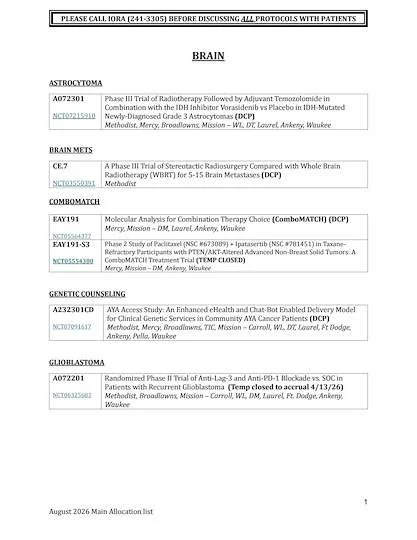
Current Allocation List
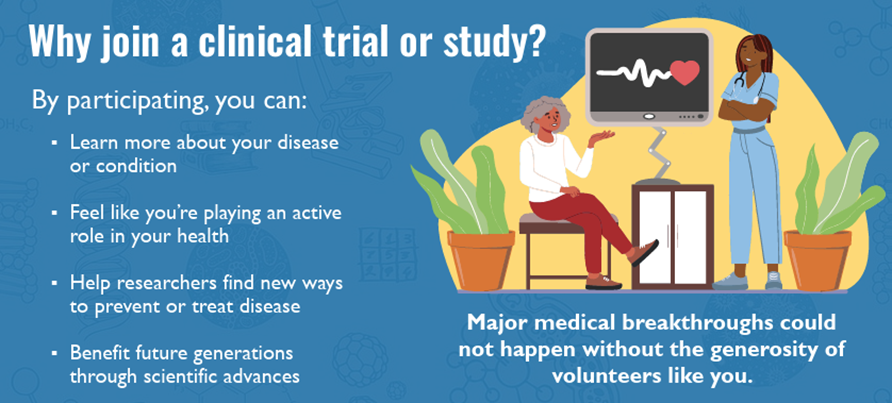
Clinical trials are critical to Iowa Oncology Research Association’s mission to conquer all cancers. These are scientific studies that lead to new ways to prevent, detect or treat cancer.
Nearly all cancer treatments used today were studied and made available to patients through clinical trials. Cancer clinical trials provide access to potential advancements in care and lead to innovations in cancer prevention. In addition to standard care and treatments, we offer clinical trials designed to identify safer and more effective approaches to prevention, screening, diagnosis and treatment of cancer.